

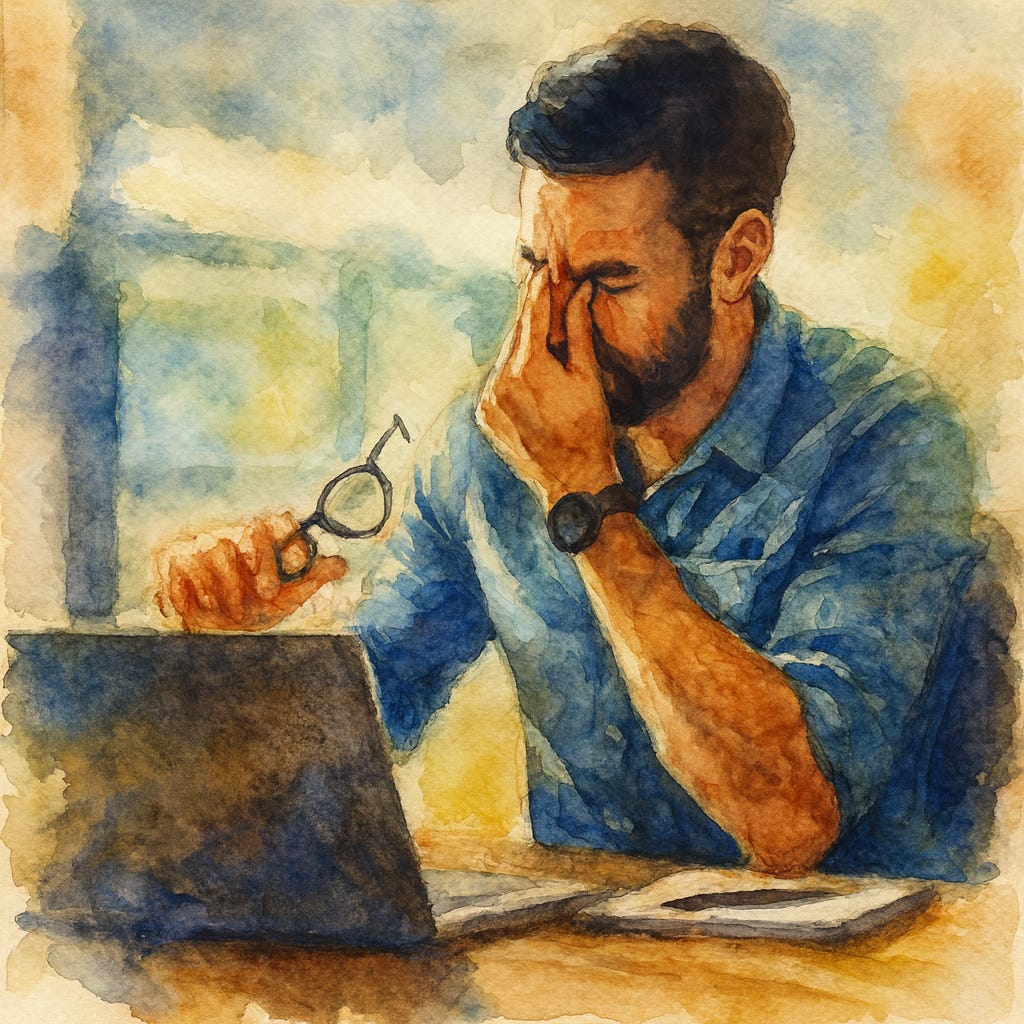
Image credit Canva Pro with edits by author
It’s been weeks since I had time to sit and write. Part of it has been family matters that require my attention, as well as my evolving photography and visual art business. It’s been both draining in terms of emotions and the family health matter, and energizing because my dog photography and art business is taking off.
I’ve also been reading. I recently started reading The Highly Sensitive Person: How to Thrive When the World Overwhelms You by Elaine N. Aron, Ph.D. After getting through most of it, now I know why I cry so often.
I’m a highly emotional person. You could be, too. That’s what the rest of this article is about.
Feeling Too Much?
From a young age, I always felt like I felt too much. Almost as if, no, as if, something was or is wrong with me. Like damaged goods.
After 64 years of trying to solve the great mystery in my head, I’ve learned a few things about myself, my sensitivities and values, how to get along with people from all walks of life by meeting everyone where they are, and so on.
Because of understanding my emotional nature, I’m okay, you’re OK, and everything’s OK even when it’s not. Because acceptance is the springboard to serenity. And finding that takes lots of ongoing, daily practice.
Being a Kid Has Always Been Brutal
Let’s get back to what I’ve learned in the book that may apply to you, especially if you and others think you’re “too sensitive.” Let’s dive into how our sensitivities and programming start.
One of my coaching clients told me he has social anxiety. I asked him, “You mean like when we were kids?” He said, “Yeah, like that.” I told him, “Everyone deals with that, and some of us learn to work through it sooner than others.”
Another client, while working through his life issues, said, “Cliff, I don’t really know if I experienced much trauma. I had a great childhood.” I replied, “Being born into this world is traumatic, and all families carry some level of intergenerational trauma. We all deal with emotions we never learned to process, but we carry them at different levels.”
We learn to manage our emotions from a very young age, some better than others.
Toxic Culture: Byproduct of the Environment
If you see American culture as our macro environment, it’s easy to agree that it’s toxic in many ways. As a result, we have a mental health epidemic. Social media and the erosion of core family values make it even harder to be a kid these days. It’s brutal for all of us.
If I had social media when I was 11, my highly sensitive self might have turned out much differently. Comparing yourself to a false ideal is a fast track to feeling not OK.
What’s more, we all become products of our environment until we learn to shift our awareness and adopt healthy habits. Managing our energy, health, and emotions is an essential habit. There’s no getting around that humans can be sensitive, and not. But how we manage our emotions makes all the difference.
Look for Similarities, Honor Differences
Everyone has some level of sensitivity, with narcissists being close to the bottom of the scale. Yet, highly sensitive people are different from those who move through life with thicker emotional armor and little empathy.
We feel more, notice more, and react more deeply to the world around us. This trait is called sensory processing sensitivity. It exists on a spectrum. We see it in about a third of the population. If you recognize yourself in the descriptions below, you might fall on the higher end of that spectrum.
How to Know If You’re a Highly Sensitive Person
Being highly sensitive makes being human even harder. So, let’s figure out if you can relate. See how many of the following traits have your name on them. Read through them, listen to your heart, and take notes accordingly.
You can find a free, online assessment and lots of resources on Dr. Aron’s website.
You notice things other people miss. Highly sensitive people pay close attention to small details. You hate it when someone moves your stuff. You can quickly sense a change in someone’s tone. You notice subtle shifts in the weather. And energy. The simple fact is your brain processes information more deeply. It is not a choice. It is how you are. Many people with this trait also notice seasonal changes before others or pick up on delicate scents, textures, and sounds without effort.
You absorb the emotional tone of a room. If someone is frustrated, tense, or sad, you feel it fast. High sensitivity often comes with strong emotional awareness. You might understand what another person thinks before they say a word. You can be a steady friend, a compassionate leader, or the person others lean on. The challenge is learning how not to carry everyone else’s emotions as your own.
You react strongly to life, both the good and the bad. Sensitive people feel their experiences deeply. Praise can lift you higher. Criticism can hit harder. A beautiful song can move you. A chaotic scene can drain you. Reactivity is a key part of the trait. It does not mean you are fragile. It means your emotional and physiological systems are more responsive to what happens around you.
You process everything on a deeper level. Many highly sensitive people think about decisions from multiple angles. They ask more questions. They reflect before acting. They want to understand what something means rather than rushing past it. Your depth of processing can look like overthinking, but it is actually careful, deliberate thinking. It often leads to strong insights and better judgment.
You get overstimulated when too much is happening. Bright lights, loud noise, crowded rooms, and fast-moving environments can overwhelm sensitive people. When there is too much incoming information, the nervous system becomes overloaded. You can become irritable, fatigued, or need to pull away and reset. It is not a weakness. It is a normal response for someone whose system takes in more data than average.
You appreciate art and beauty more than most. Music, paintings, nature, poetry, or meaningful conversations can move you deeply. Many people with this trait report feeling connected, inspired, or even changed by these experiences.
Your sensitivity to positive stimuli is just as crucial as your sensitivity to stress. It is one reason many highly sensitive people thrive in creative work or environments that value meaning.
You reflect on life’s big questions. Philosophical thinking is common among sensitive people. You may find yourself wondering about purpose, values, identity, or the meaning behind events. It’s part of the deeper cognitive processing that defines the trait. You are not content with surface-level answers. You want clarity. You want understanding. You want things to make sense.
You can read people well, even without trying. Social sensitivity is another hallmark of the trait. You might pick up on someone’s discomfort before others notice. You might sense unspoken tension or understand how a situation could make someone feel. You are skilled at connection and empathy. It often leads people to trust you, open up to you, or seek your guidance.
Positive experiences lift you more than most people. High sensitivity is not only about challenges. Research shows that sensitive people benefit more from supportive environments. Encouragement, kindness, and positive surroundings have a more substantial impact. When you are in the right place, with the right people, you grow fast. You thrive. You become your strongest self.
You need more time to recover after overwhelm. Negative experiences, people, places, and things likely drain you. Because you take in more information, you often need more time to decompress—quiet time, rest, and space to think help your system reset. It’s not avoidance. It is self-regulation. Sensitive people do best when they build regular pauses into their schedules, giving their minds and bodies the chance to calm down.
You enjoy meaningful conversations more than small talk. Talk about the weather? Boring! You might prefer honest, deep conversations over meaningless banter, gossip, and the like. Many highly sensitive people value a connection that feels real. They want to talk about experiences, ideas, purpose, or growth. You desire depth and meaning in life, relationships, and work. The older and wiser you grow, the easier it becomes to hold boundaries.
We Are Not “Damaged Goods”
There you have it. That’s the essence of what I learned from the book. I highly recommend buying a copy and reading it. Because here’s the deal.
You’re as OK as you can be right now. Same with me. If we’re doing our best, we’re doing our best. Being a highly sensitive person is not a flaw. For most of my life, I held a self-view that a part of me was broken, not good enough, not OK.
Not anymore.
A highly sensitive nature carries traits with calm waters and rip tides. It can help us become great thinkers, strong leaders, creative artists, or caring partners. It can also lead to stress or overwhelm if not understood.
Shifting Self-Awareness
The key to understanding yourself is self-awareness. When you know you are wired as highly emotional, you can shape your life so you are supported rather than drained. You can create healthy boundaries for yourself and buffer stress.
“Learning to value your sensitivity rather than hide it is perhaps the most important journey an HSP can undertake. It is the journey toward self-acceptance, authenticity, and peace.” — Elaine N. Aron, Ph.D.
I’m learning that sensitivity is one of the many ways the human brain adapts to the world. Some of us are built to respond fast. Others are built to notice, reflect, and think before they act.
Both patterns have value. Both roles matter. That partly explains why my wife and I have made such well-aligned best friends and are married for life.
If you recognize yourself in these traits, you are not weak, broken, or “too much.” You are wired differently. That wiring gives you strengths the world needs more than ever. Cherish your empathy, awareness, depth, and insight.
When you understand your sensitivity and work with it instead of against it, you don’t just cope. You find your flow state, which is when you can get through the most challenging lessons life delivers.
I’m an author, photographer, visual artist, and mentor. Discover the power of the Clarity S.H.I.F.T. Method® for improving yourself, your career, business, and life at www.CliffordJones.com.